What Is MDMA? Effects, Risks, and Addiction
Headwaters » Blog »
MDMA is a synthetic psychoactive drug that alters mood, perception, and emotional responses by changing how the brain releases serotonin, dopamine, and norepinephrine.
MDMA is most commonly known as Ecstasy or Molly and is often taken for its stimulating and empathogenic effects. Although some people view it as a “party drug,” its impact on the brain and body can be serious, especially when use becomes frequent or combined with other substances.
At Headwaters, we recognize that MDMA use is not limited to one demographic. Many high-functioning professionals, executives, and public figures turn to MDMA in social or high-stress environments, unaware of the long-term psychological and physical consequences.
Over time, MDMA can disrupt emotional regulation, increase anxiety or depression, and interfere with cognitive performance and professional functioning.
If you or someone you love is questioning how MDMA may be affecting emotional well-being or patterns of substance use, understanding what this drug does is an important first step.
Healing begins with clarity, compassion, and care that addresses the whole person, not just the substance itself.
What Is MDMA?
According to the National Institute on Drug Abuse (NIDA), MDMA is a lab-made (synthetic) drug with effects similar to stimulants such as methamphetamine. However, some researchers also classify it as a psychedelic because it can mildly alter perception, mood, and sensory experiences.
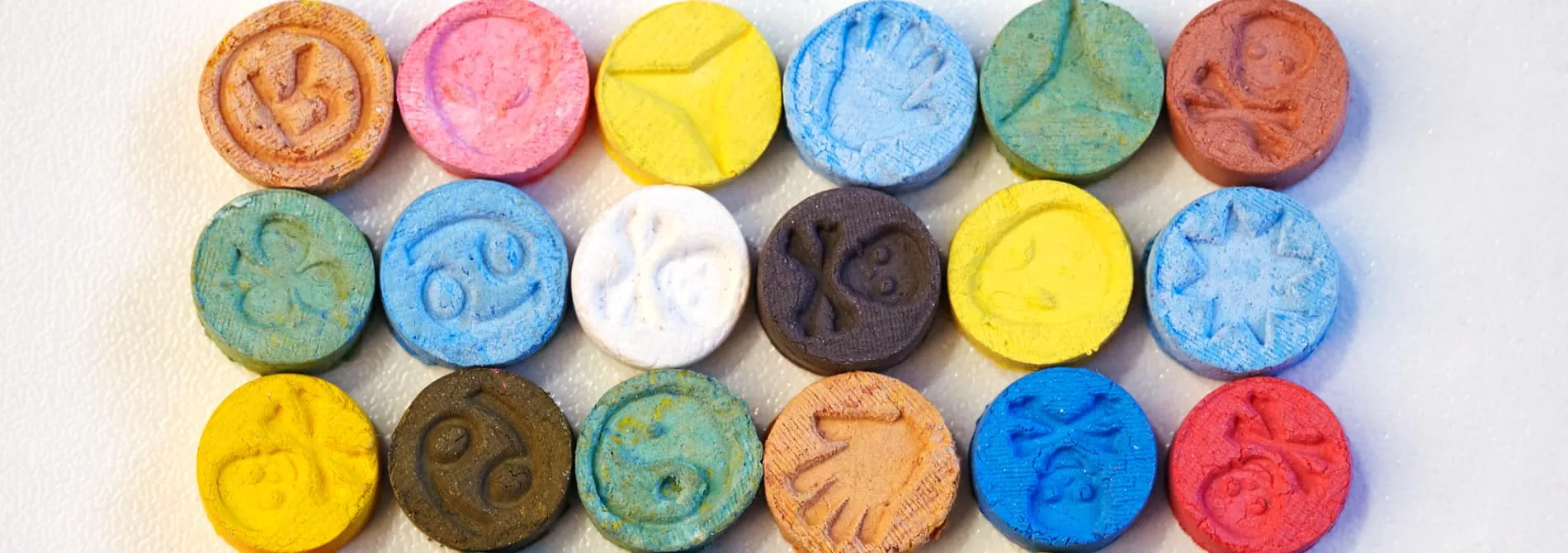
MDMA is also known as Molly or Ecstasy and is commonly taken for its ability to increase feelings of energy, emotional openness, and connection to others. While some people associate MDMA with social or recreational settings, its effects on the brain and body can be unpredictable and, in some cases, dangerous.
NIDA also notes that MDMA may produce a temporary sense of well-being, warmth, and alertness, but it can also cause serious adverse health effects. Over time, repeated use can disrupt emotional regulation, impair cognitive function, and increase vulnerability to ongoing substance use.
What Is MDMA Used For?
MDMA is most commonly taken for its mood-altering effects, including increased energy, emotional openness, and a sense of connection to others.
Some individuals turn to MDMA to cope with stress, emotional pain, or social anxiety, even though these effects are temporary and can create long-term challenges for emotional well-being and stability.
While MDMA has been discussed in medical contexts, it is not approved for general medical use. When taken outside of a controlled environment, MDMA carries significant risks and may worsen mental health conditions such as anxiety, depression, and emotional instability over time.
Is MDMA Legal?
No. In the United States, MDMA is classified as a Schedule I controlled substance under federal law. This means it is considered to have no currently accepted medical use and a high potential for misuse.
Possessing, distributing, or manufacturing MDMA is illegal in all states and can result in serious legal consequences. Understanding the legal status of MDMA is important, as legal issues can add stress to an already difficult situation.
How Is MDMA Taken?
MDMA can be taken in several forms, and the way it is used can influence how quickly its effects begin and how long they last.
Common ways MDMA is taken include:
- Swallowed as a tablet or capsule
- Mixed into a drink
- Snorted as a powder
Regardless of the method, MDMA affects the brain and body in similar ways and carries the same risks for physical and psychological harm.
MDMA as a Club Drug and Party Substance
MDMA is often associated with nightlife, music events, and social settings where long hours of dancing, heat, and dehydration are common. In these environments, individuals may take MDMA to feel more energized, emotionally open, or connected to others.
However, these same settings can intensify the physical strain MDMA places on the body. Increased heart rate, overheating, and dehydration can raise the risk of medical complications, especially when MDMA is combined with alcohol or other substances.
What Happens When You Take MDMA?
MDMA changes how the brain processes mood, energy, and sensory information.
Shortly after use, it increases the release of serotonin, dopamine, and norepinephrine, which affects emotional regulation, alertness, and pleasure.
As these brain chemicals are rapidly released, the body may also experience physical responses such as increased heart rate, elevated body temperature, and changes in blood pressure.
While some effects may feel positive at first, MDMA can quickly become dangerous or overwhelming.
What Does MDMA Feel Like?
The effects of MDMA vary from person to person, but commonly include:
- Heightened feelings of empathy and emotional closeness
- Increased energy and alertness
- Intensified sensory experiences
- Reduced fear or anxiety in social situations
These effects are temporary and often followed by emotional low mood, fatigue, or irritability as brain chemistry begins to rebalance.
What Does MDMA Do to the Brain?
MDMA significantly impacts the brain’s serotonin system, which plays a major role in mood, sleep, appetite, and emotional regulation. Repeated use can reduce the brain’s ability to produce and regulate serotonin naturally, which may contribute to anxiety, depression, and memory difficulties.
Over time, MDMA can disrupt neural communication and impair decision-making and impulse control. These changes can increase vulnerability to ongoing substance use and make emotional stability more difficult to maintain without support.
What Are the Effects of MDMA Use?
The effects of MDMA can vary widely from person to person, and the experience will be different for everyone.
Some individuals believe their MDMA use is not noticeable in professional settings. In reality, changes in mood, behavior, and performance are often more visible to others than expected.
MDMA Drug Effects on Mood and Emotions
MDMA alters emotional processing and perception by disrupting the brain’s natural chemical balance. These changes can affect how you feel, think, and respond to your surroundings, often in ways that are difficult to predict.
While some effects may feel subtle at first, emotional and cognitive shifts can intensify with repeated use and interfere with daily functioning, relationships, and mental well-being.
Although mild, the hallucinogenic properties of MDMA can be noticeable.
MDMA is a hallucinogen, meaning it causes hallucinations. While experiencing hallucinations, you may feel anxious or paranoid, especially if you mix MDMA with other drugs. You may react unexpectedly to your environment or behave in ways that appear strange to others.
MDMA use can intensify mental health issues.
It’s possible to feel depressed following MDMA use. However, for people with a history of depression or anxiety, these conditions can become more severe following drug use.
MDMA use can lead to physical and cognitive issues.
Fatigue and memory loss are common symptoms associated with using this drug regularly over long periods.
MDMA use can lead to more severe issues.
It’s essential to remember that “Molly” carries all of the same risks as any other form of amphetamine-based drugs, including death from heat stroke and heart failure due to increased body temperature. In moderate doses, ecstasy acts as a stimulant; in high doses, it acts as a hallucinogen; and in extremely high doses, it causes convulsions and death by cardiac arrest.
MDMA can damage neurons containing serotonin.
MDMA affects the brain’s serotonin system and can damage neurons containing serotonin by depleting them of their supply of this neurotransmitter.
MDMA Health Risks and Side Effects
MDMA places significant strain on both the body and the brain. While some effects may appear temporary, repeated use can lead to lasting physical, emotional, and cognitive changes.
Short-Term MDMA Side Effects
Common short-term side effects may include:
- Increased heart rate and blood pressure
- Elevated body temperature
- Jaw clenching and muscle tension
- Nausea or loss of appetite
- Dehydration and overheating
- Anxiety, restlessness, or agitation
- Sleep disturbances
These effects may intensify when MDMA is combined with alcohol or other substances.
Long-Term MDMA Health Effects
With ongoing use, MDMA can contribute to more persistent health concerns, including:
- Mood instability and depression
- Memory and concentration difficulties
- Disrupted sleep patterns
- Increased anxiety or emotional numbness
- Changes in impulse control and decision-making
- Greater vulnerability to ongoing substance use
Over time, these effects can interfere with professional performance, relationships, and overall quality of life.
Is MDMA Dangerous?
Yes, MDMA can be dangerous, especially when used repeatedly, in high doses, or in unpredictable environments.
The drug can cause severe dehydration, overheating, heart complications, and, in some cases, life-threatening medical emergencies.
Because MDMA is often mixed with other substances, including fentanyl, there is no reliable way to know its strength or contents. This unpredictability increases the risk of serious health consequences and underscores the importance of seeking support if MDMA use has become difficult to control.
How Long Do the Effects of MDMA Last?
The onset of MDMA effects is usually within 45 minutes. During that time, some people may take a second dose before the altered sensations begin.
A single dose can last anywhere from three to six hours.
You may remember feeling too warm or too cold, feeling nauseous or dizzy, or experiencing muscle cramps.
When MDMA is mixed with other substances, some individuals report intense physical sensations, including chest tightness or rapid heart rate, that can feel frightening.
Duration of MDMA High vs Aftereffects
While the most noticeable effects may wear off within several hours, emotional and physical aftereffects can linger for days. Fatigue, low mood, difficulty concentrating, and sleep disruption are commonly reported as the brain works to restore chemical balance.
These aftereffects can make daily responsibilities and emotional regulation more challenging, especially with repeated use.
Your Regular MDMA Use May Have Increased Over Time.
If you have been using more “Molly” lately to get the same high you’re accustomed to, your drug tolerance has increased. When you’re not taking it, and the euphoria has worn off, you may feel seriously depressed. This effect stems from consistently having higher amounts of serotonin when using “Molly.”
Is MDMA Addictive?
Yes, MDMA can be addictive.
While some people believe MDMA is not habit-forming, repeated use can lead to psychological dependence and increased tolerance. Over time, individuals may feel compelled to continue using MDMA to manage mood, cope with stress, or avoid emotional discomfort.
These patterns can make stopping on your own feel difficult, especially when emotional well-being and daily functioning begin to suffer.
Withdrawal Symptoms of MDMA
Withdrawal can appear different for the same person if they attempt to quit using at other times.
Some factors shaping the symptoms you experience include the amount you’ve used, how long you’ve used it, if you have any mental health issues or medical conditions, and the use of other drugs.
Some of the most common withdrawal symptoms include the following:
- Aggression
- Anxiety
- Decreased libido
- Depression
- Focus or concentration issues
- Fatigue
- Impulsivity
- Increased irritability
- Memory issues
- Thirst
- Poor appetite
- Sleep difficulty
What Is an MDMA Overdose?
An MDMA overdose occurs when the body is overwhelmed by the drug’s effects, leading to dangerous physical and neurological reactions.
Because MDMA is often mixed with unknown substances, the overdose risk is unpredictable and can happen even at lower doses.
Signs of MDMA overdose may include:
- Extremely high body temperature
- Rapid or irregular heartbeat
- Confusion or agitation
- Severe dehydration
- Muscle rigidity or tremors
- Loss of consciousness
- Seizures
An MDMA overdose is a medical emergency and requires immediate care.
MDMA Drug Testing and Detection
MDMA can be detected through several types of drug screening methods. Detection time may vary based on metabolism, frequency of use, hydration, and overall health.
What Is an MDMA Drug Test?
An MDMA drug test screens for the presence of MDMA and its metabolites in the body. These tests are commonly performed using:
- Urine
- Blood
- Saliva
- Hair
Urine tests are the most frequently used method and may detect MDMA for several days after use.
How Long Does MDMA Stay in the Body?
MDMA is typically detectable in urine for two to four days, though detection times may be longer with repeated use.
Blood and saliva tests usually detect MDMA for a shorter period, while hair tests may identify past use for up to several months.
Detection windows can vary based on:
- Frequency of use
- Dosage
- Metabolism
- Hydration
- Overall health
MDMA Addiction Treatment Options
Effective treatment for MDMA use focuses on both emotional well-being and patterns of substance use. A comprehensive approach can help individuals understand the root causes of use and build healthier coping strategies.
Treatment options may include:
- Individual therapy
- Group therapy
- Behavioral therapies
- Psychiatric evaluation and medication management when appropriate
- Family involvement and continuing care planning
MDMA Recovery Support at Headwaters
At Headwaters, we provide individualized care in a private, serene setting designed for professionals and their families.
Our multidisciplinary team offers compassionate, evidence-based support to help individuals regain emotional stability, restore clarity, and move forward with confidence.
Help for MDMA Use Is Available at Headwaters
We understand that executives, business leaders, and high-profile professionals who have struggled with MDMA abuse often find it difficult to admit they need help. Also, we know that it is equally as hard to maintain a high level of productivity while in recovery at an inpatient addiction treatment facility. In addition, our program offers an evidence-based approach to MDMA abuse treatment and dual diagnosis that can be completed in as little as a month on a full-time basis in a confidential setting.
Hanley Center’s Headwaters is a non-profit addiction treatment program for executives, public figures, other affluent individuals, and their loved ones. Headwaters offers leading-edge, personalized clinical care for mental health and substance use disorders, and our professional and compassionate staff can help you achieve holistic wellness. To start your healing journey, call 561-270-1753 today or contact us online.
MDMA FAQs
Can MDMA Cause Permanent Brain Damage?
MDMA can disrupt the brain’s serotonin system, which plays a key role in mood, memory, and emotional regulation. Repeated use may lead to long-term changes in how the brain processes emotions and stress. While the extent of recovery can vary, some individuals experience lasting cognitive and emotional effects after prolonged use.
Is MDMA Safer Than Other Drugs?
No. Although MDMA is sometimes viewed as less dangerous than other substances, it carries serious health risks. Overheating, dehydration, heart complications, and unpredictable reactions can occur, especially when MDMA is mixed with other substances.
Can MDMA Worsen Anxiety or Depression?
Yes. MDMA can intensify existing mental health conditions and contribute to emotional instability. Many individuals report increased anxiety, low mood, or irritability after use as the brain works to rebalance its chemistry.
How Do I Know If Someone Is Addicted to MDMA?
Signs of addiction may include changes in behavior, mood swings, secrecy, withdrawal from responsibilities, difficulty controlling use, and continued use despite negative consequences. If MDMA use is interfering with emotional well-being, relationships, or work, it may be time to seek support.
When Should Someone Seek Help for MDMA Use?
If MDMA use is affecting mental health, physical well-being, relationships, or daily functioning, support can help. Reaching out early allows individuals and families to explore care options before challenges become more severe.
Written on Mar 31, 2023

Your Journey to Healing at Headwaters
At Headwaters, we provide exceptional, individualized treatment designed for those seeking discreet, world-class care for addiction and co-occurring mental health conditions.
Explore our beautifully designed residences, therapeutic spaces, and lush outdoor settings—each thoughtfully curated to support your journey.
View our facility photos now and see why Headwaters is a leader in bespoke addiction and mental health treatment.
Take the first step today. Call us to learn more about our comprehensive treatment programs. Call 561-270-1753 today to speak with an admissions specialist.